Blog



Co-Operative Model
Direct from Farmers
100 % Pure

Hygiene
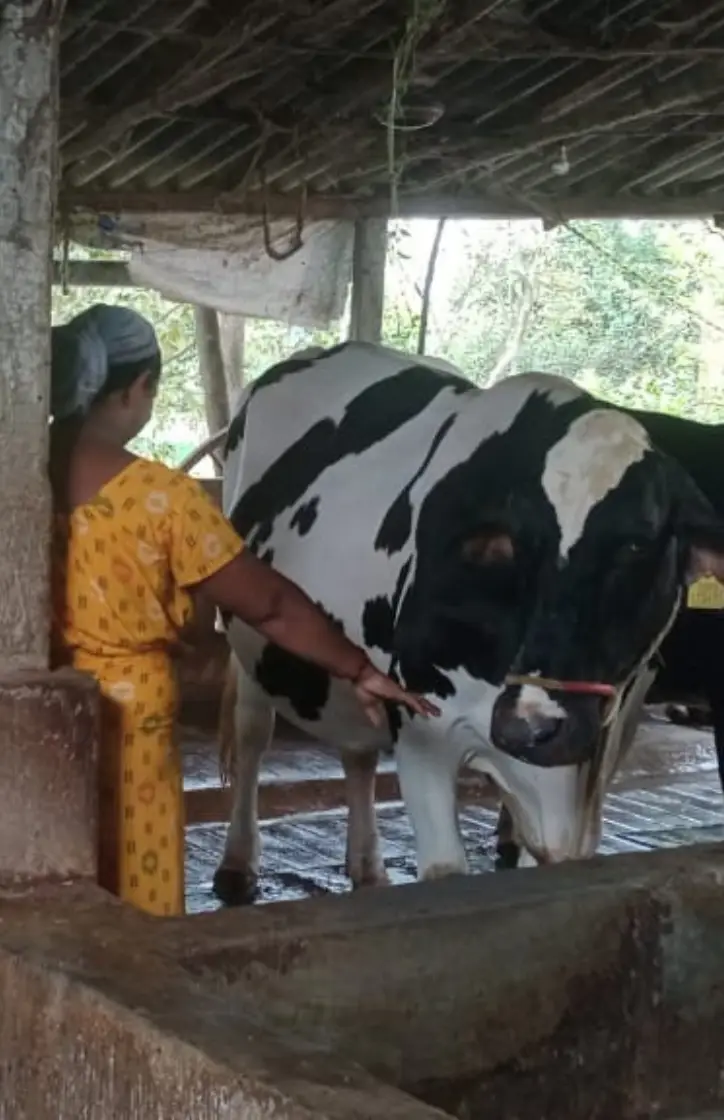
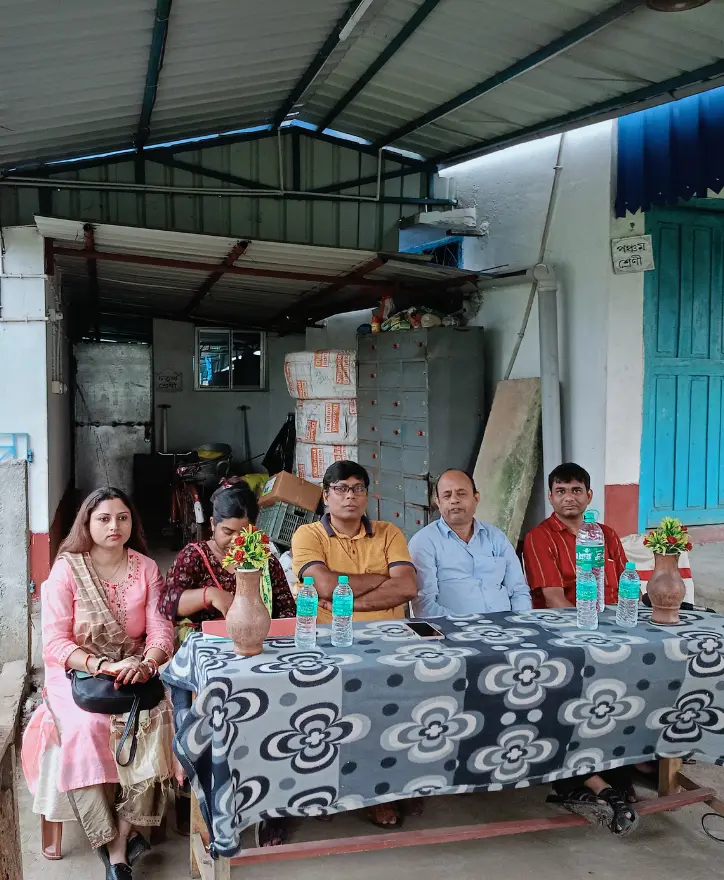
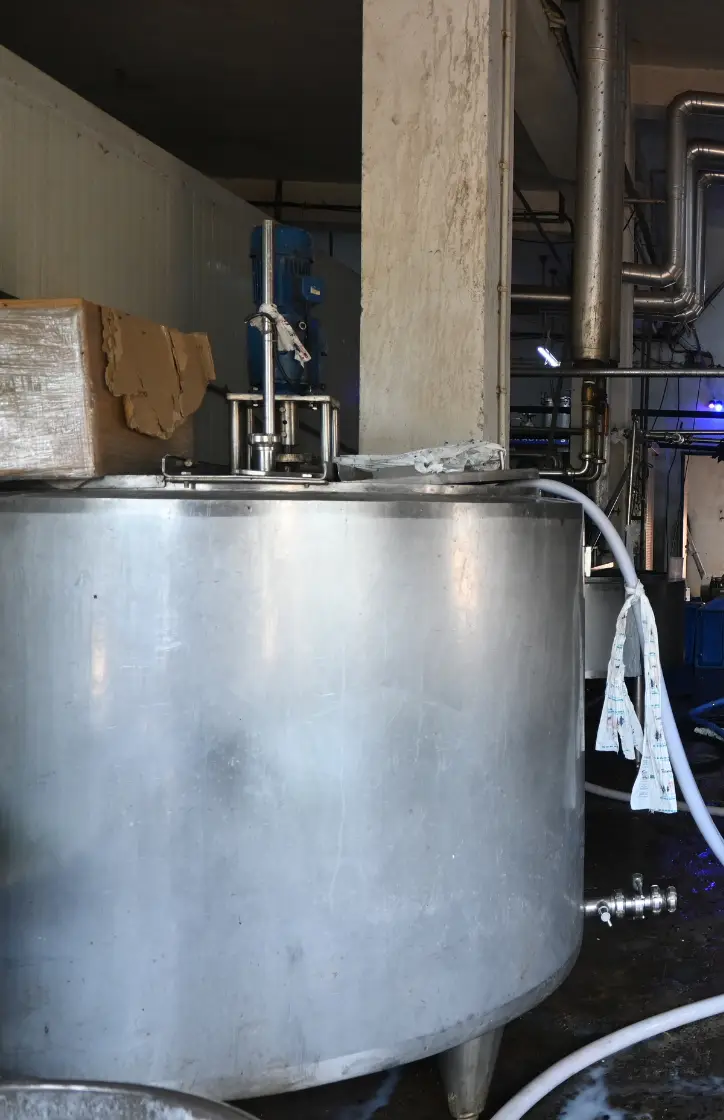
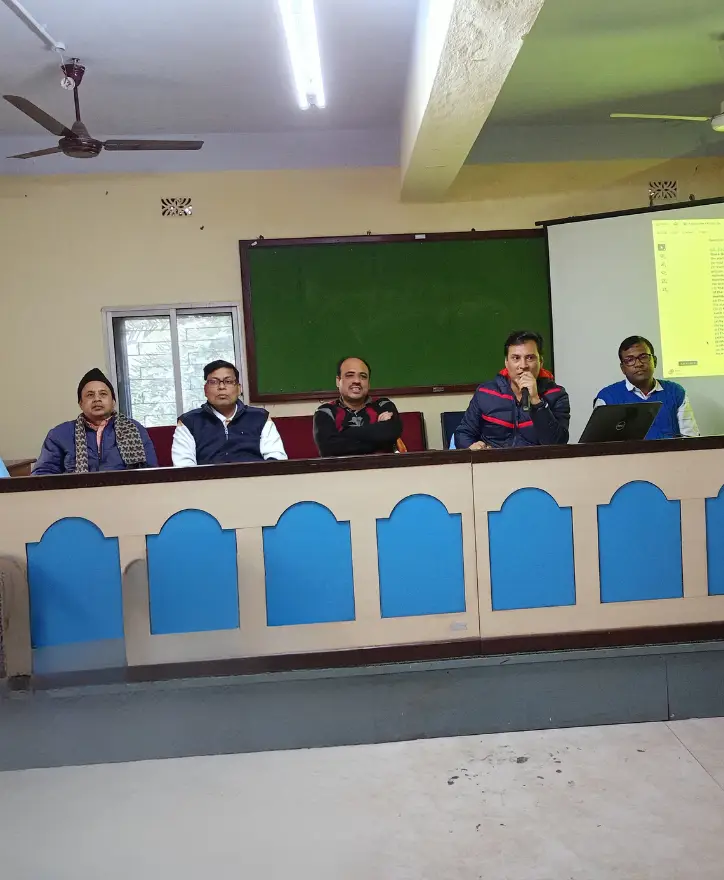
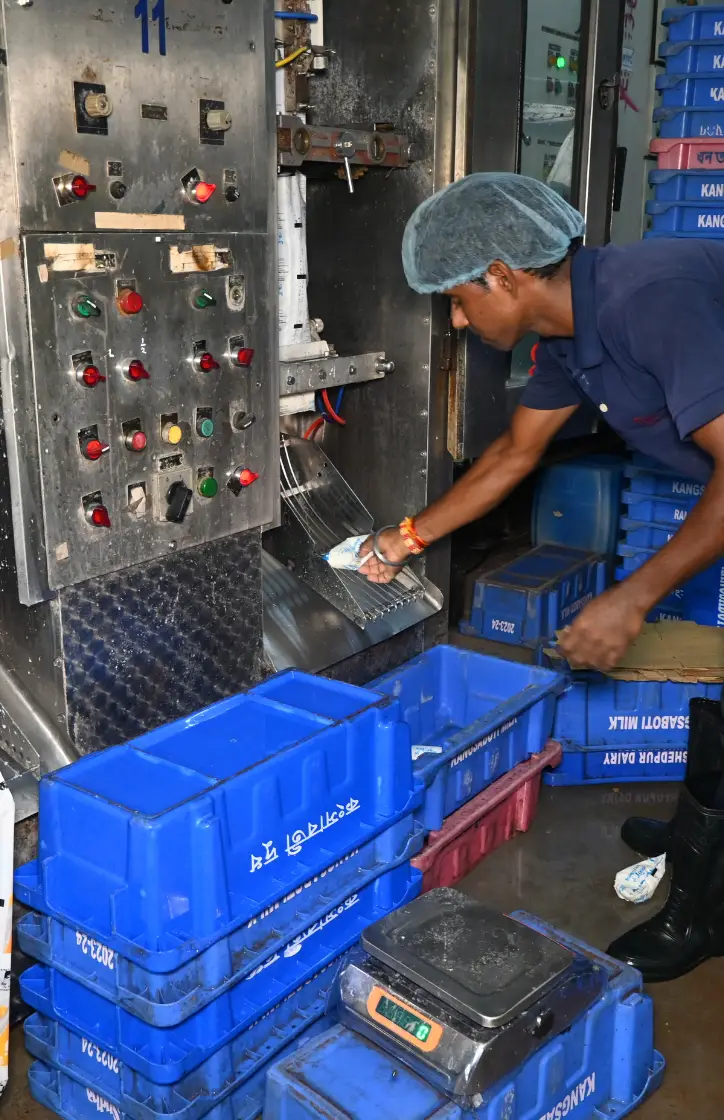
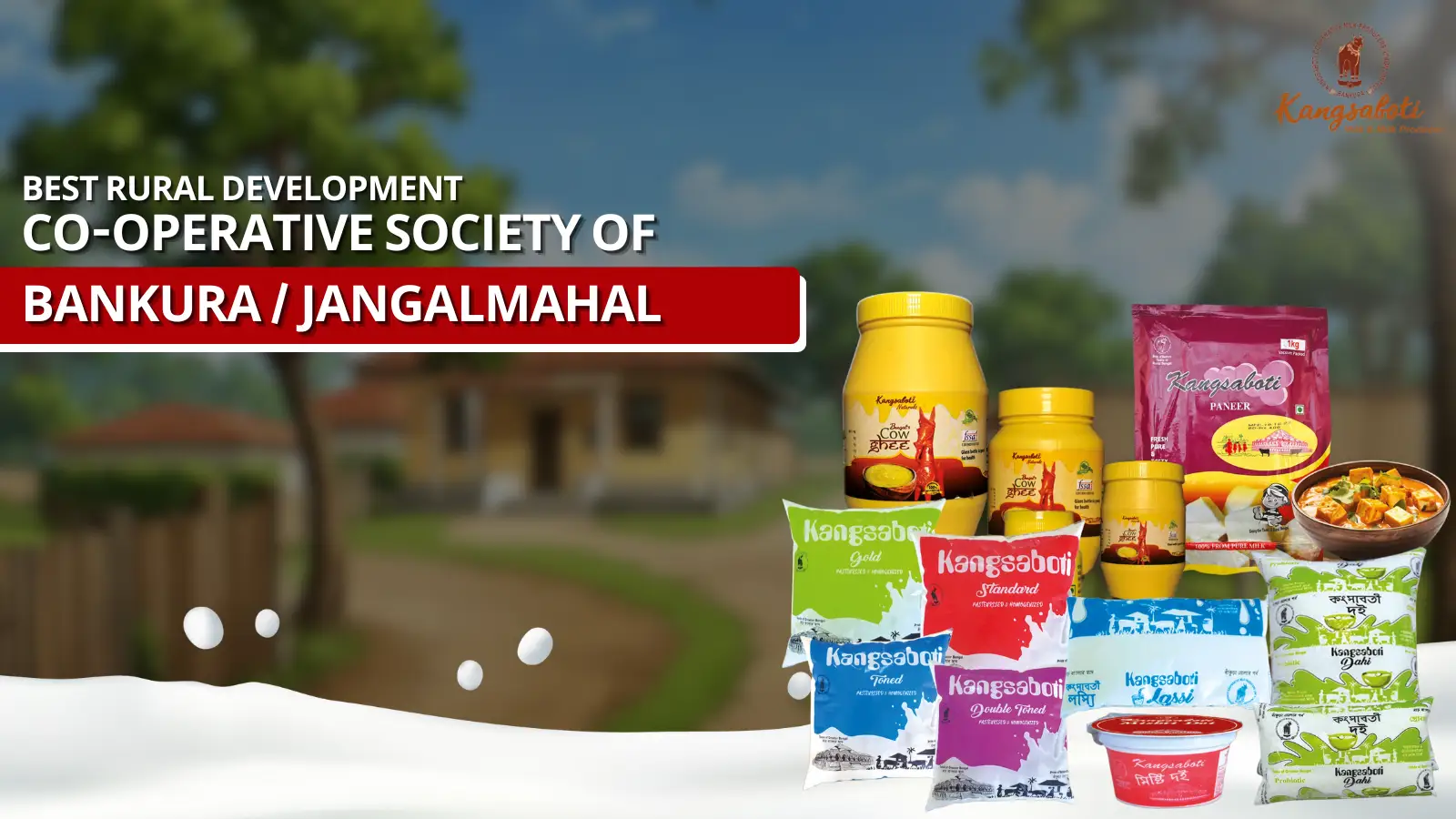
In Indian civilization, milk has never been just a commodity—it is a sacred symbol of nourishment, purity, and prosperity. From ancient scriptures describing Lord Krishna, the divine cowherd of the Dwapar Yug, to today’s rural economy, milk remains deeply woven into our cultural and economic fabric. Carrying this legacy forward, Kangsaboti Co-Operative Milk Producers’ Union Ltd. stands tall as the best Rural Development Co-Operative Society of Bankura, Janghalmahal, and South Bengal.
Scientifically, milk from indigenous cattle supports better digestion and nutrition. Socially, WE transform this natural resource into a sustainable livelihood. By directly connecting SC, ST, women, and marginal dairy farmers with the formal economy, KANGSABOTI ensures direct NEFT payments, zero middlemen, and complete transparency—a rare but powerful rural model.
Moreover, KANGSABOTI’s fresh milk, paneer, curd, misti doi, ghee, and lassi deliver the authentic taste of Janghalmahal and Bengal at an affordable price. This balance of quality and accessibility strengthens consumer trust while expanding rural income. Consequently, KANGSABOTI not only boosts the district economy of Bankura but also contributes meaningfully to Bengal’s GDP and India’s self-reliant growth vision.
From a marketing and governance perspective, the Anand-pattern cooperative structure, modern dairy plants, and expanding distribution network position KANGSABOTI as a future-ready institution. Therefore, Kangsaboti is not just a dairy brand—it is a movement of rural empowerment, proudly earning its place as the best Rural Development Co-Operative Society of Janghalmahal and South Bengal.
Kangsaboti empowers SC, ST, women, and marginal farmers through a transparent cooperative model. By ensuring direct NEFT payments, eliminating middlemen, and providing stable dairy-based livelihoods, it creates sustainable rural development across Bankura.
KANGSABOTI supports rural communities by offering fair work roles, assured milk procurement, modern dairy infrastructure, and access to government and NDDB-backed schemes. This approach improves income security and living standards in the Janghalmahal region.
Kangsaboti combines traditional dairy practices, modern processing, and ethical governance. Its farmer-first structure and inclusive development model set it apart as the best rural development cooperative in Janghalmahal.
KANGSABOTI follows a direct payment system through NEFT, eliminating intermediaries. This ensures price transparency, timely payments, and complete financial accountability for milk producers.
Kangsaboti offers fresh milk, toned milk, paneer, curd, misti doi, ghee (clarified butter), and lassi—delivering authentic Bengal taste at affordable prices.
By strengthening rural livelihoods and supporting cooperative dairy production, we boosts local economies, contributes to Bengal’s GDP, and supports India’s Aatmanirbhar Bharat vision.
Yes, Kangsaboti operates as a government-supported dairy cooperative, following the Anand pattern and implementing state government and NDDB development schemes.
Kangsaboti connects agriculture, employment, and nutrition into a single ecosystem. This integrated model makes it one of the most impactful rural development cooperative societies in South Bengal. Now, 18,787 farmers are connected with the Kangsaboti eco-system and produce 25,000 litres of milk daily.
No account yet?
Create an Account